Practical endurance hydration

Build a hydration plan that still works when the day changes

Start with the session in front of you: the forecast, the effort and the places where you can actually drink. Use relevant training to estimate your own losses, choose a sensible fluid and sodium starting point, then practice the bottle mix, carrying and backup. This isn't a litres-per-hour contest. The job is to avoid too little without drifting into too much.

Endurance athlete assessing hydration after a hot training session

The short answer

Start normally hydrated, then let the real day shape the plan

Updated 30 July 202613 minute guide

Don't arrive at the start trying to repair a rushed morning with one enormous bottle. For a short, cool session, water and ordinary meals may do the job. As duration, heat, intensity or sweat loss rises, work from your own tested range and decide whether carbohydrate and sodium belong in the bottle or are easier to manage separately. You don't need to replace every drop. You shouldn't finish heavier than you started, and electrolytes don't make overdrinking safe.

Use this guide

Make the six decisions before you fill the bottle

Run through the sequence for an ordinary training day, then do it again for the event you are preparing for. Write down a range and a backup. One impressively precise number won't help much when the weather or refill plan changes.

Read the session

The same athlete can need a different plan on a different day

Sweat rate and the chance to drink vary between people, sports and conditions. That useful bit often disappears inside a simple online calculator. One universal volume can't account for body size, pace, acclimatisation, clothing, sun, wind, humidity and access.

Planning still matters. Ask what happened in your closest useful rehearsal and what this route can support. Use the answer as a range, then leave room for thirst, weather changes and the reality that replacing every millilitre during exercise may be unnecessary or impossible.

Duration

Count the hours before the bottles

A short session with a tap nearby is not the same job as five exposed hours between aid points. Include the warm-up, start pen, transitions and that final section where the next drink often feels farther away than it looked on the map.

Environment

Use heat, humidity, wind and sun

Temperature alone does not describe the demand. Humidity limits evaporative cooling, direct sun adds heat load and still air can make an indoor session unexpectedly severe. Use the forecast and the event's current heat policy.

Work rate

Expect effort to move the sweat rate

Harder work usually produces more heat. A sweat result from an easy winter ride should not become the prescription for a hard summer run. Test at a relevant pace and repeat when the conditions change.

Access

Mark where you can actually drink

List your bottles, vest capacity, taps, aid stations, transition bags and any long technical sections. Sometimes the course limits what you can drink more than physiology does. Sort the carrying and refill timing before choosing the drink mix.

Decision aid

Keep the hydration plan as simple as the day allows

This table helps you decide what needs planning. It doesn't prescribe a fixed volume. Use it to choose what to record in the next relevant session.

The longer, hotter and less supported the day, the more important rehearsal and logistics become.
SituationMain problemStarting actionEvidence to watchBoundary
Short and coolEasy access, modest sweat lossBegin normally hydrated; water may be enoughThirst, comfort and the next sessionDo not add complexity by habit
About an hour or moreSustained work with rising lossesCarry a tested fluid plan and review sodium contextBody-mass change, conditions and accessKeep carbohydrate totals visible
Long or hotLarge losses or restricted refillsUse a personal range, cool fluids where possible and a written refill planHeat policy, sweat tests and toleranceDo not chase full replacement
Very long eventMany hours of drinking and eatingPlan fluid, sodium, carbohydrate and food togetherBody mass, symptoms, aid gaps and urineAvoid weight gain and forced drinking
Medical or medication contextFluid balance may behave differentlyUse qualified individual adviceDiagnosis, medication and clinician guidanceDo not self-prescribe from this table

On a phone, swipe the table sideways to compare every column.

Check the baseline

Arrive hydrated, not waterlogged

The practical aim before an important endurance session is unremarkable: begin without a meaningful fluid deficit and without spending the morning forcing drinks. The National Athletic Trainers' Association position statement recommends using more than one marker when hydration is uncertain because body mass, thirst and urine each have limitations on their own.

A stable morning body mass across several ordinary days gives context. Pair it with thirst and urine colour, and pay attention to illness, travel, alcohol, heat exposure and a hard previous session. If you have heart or kidney disease, diabetes, a history of hyponatraemia, are pregnant, or take medication that affects fluid balance, obtain individual medical advice rather than using a general event plan.

Day before

Use ordinary food and drink

Eat and drink normally across the day rather than carrying a deliberate deficit into the event. Meals, snacks and their water content contribute. Excessive last-minute water cannot repair every preparation problem.

Morning check

Use more than urine colour alone

Thirst, an unusual fall in morning body mass and dark urine together can flag a problem. One dark sample after waking is not a diagnosis, and clear urine is not a target to force all day.

Start area

Sip to finish the preparation

Use a familiar amount that the timing and bathroom access can tolerate. Do not stand in the start pen forcing down bottles because the day looks hot. Fluid still needs time to absorb and excess can become an early problem.

Repeat days

Look for drift across the block

Multi-day training, stage events and repeated hot sessions can create a cumulative gap. Record morning mass, thirst, appetite and urine patterns, then restore fluid and meals between days rather than relying on one large drink.

Endurance athlete holding a marked bottle during hydration testing
A normal baseline is built across the day, not in one rushed pre-start drink.

Measure sweat loss

Measure the real session, then treat the result as a starting point

A practical whole-body sweat-rate estimate uses the change in body mass, adds measured fluid intake, subtracts urine and divides by session duration in hours. In a short field test, one kilogram of body-mass change is treated as approximately one litre of water. The method is useful, but its precision is limited by scale accuracy, wet clothing, respiratory water loss, metabolic mass change and unmeasured intake.

The answer estimates what left the body in that session. It is not automatically what must go back in during the next one. Drinking opportunities, gut comfort and the safety boundary against overdrinking still matter. Repeat the test in representative conditions and use several results to create a workable range.

Before

Standardise the starting measurement

Use the same accurate scale, minimal dry clothing and a post-toilet measurement. Record temperature, humidity if available, route, clothing, session type and intended intensity.

During

Measure everything consumed

Weigh bottles before and after or use known volumes. Record any food with substantial water, and record urine if it occurs. Do not avoid drinking when the session or thirst makes that unsafe just to simplify the maths.

After

Dry off and measure promptly

Towel surface sweat, remove wet clothing and use the same scale as soon as practical. A delayed post-session measurement adds food, drink and bathroom noise to the estimate.

Interpret

Build a range from repeated tests

One test estimates one session. Repeat in cool and warm conditions and at the intensities that matter. Use the resulting range to test a drinking plan, not as a command to replace every litre lost.

Cyclist carrying a measured hydration bottle during an endurance event
Measure the real bottles and the real session rather than relying on bottle capacity.

Worked example

Turn one rehearsal into an estimate

This fictional example assumes no urine during the session. The calculation produces a sweat-rate estimate for those conditions, not a product dose or a requirement to drink 0.9 litres every hour.

Repeat the method in the conditions that matter and keep the raw measurements.
MeasurementExampleCalculationQuality checkBoundary
Pre-session mass72.4 kgSame scale, minimal dry clothingAfter using the toiletRecord the conditions
Post-session mass71.8 kg0.6 kg lowerDried off promptlyWet kit changes the result
Measured drink0.75 LAdd to the mass lossBottle weighed before and afterCount every drink
Session time1.5 hours(0.6 + 0.75) ÷ 1.5Estimated 0.9 L per hourNot the drinking target
Next testSimilar pace, warmer dayCompare the rangeTest access and comfortNever force beyond tolerance

On a phone, swipe the table sideways to compare every column.

Place sodium in context

Give sodium a clear job

Sodium is the main electrolyte lost in sweat, but the amount of sweat and its sodium concentration vary widely. Ask a more useful question than “Do endurance athletes need electrolytes?” Is this session long or hot enough, and are your losses large enough, for sodium to solve a real problem?

Sodium can support fluid retention, taste and replacement during prolonged sweating. It can't make unlimited fluid safe. Sodium-containing sports drinks do not prevent hyponatraemia when an athlete overdrinks. Finishing heavier than you started is a clear warning that fluid intake exceeded net loss.

Ordinary session

Let meals do ordinary replacement

For shorter sessions and modest losses, normal food and drink commonly replace sodium without a dedicated supplement. An electrolyte product is not automatically necessary because sweat occurred.

Long or hot

Use sodium as one part of the plan

The IOC heat consensus uses 0.5 to 0.7 grams of sodium per litre as a general starting range for most athletes exercising for more than an hour in the heat. Treat this as context, not a universal dose; losses and tolerance vary.

Heavy or salty sweater

Seek better evidence before escalating

Very high sweat losses, repeated white salt marks and multi-day heat exposure justify a closer look. A qualified sports dietitian can help interpret a valid sweat-sodium assessment and the rest of the diet.

Claim boundary

Do not sell sodium as cramp insurance

Exercise-associated cramp is multifactorial. An electrolyte product should be chosen for a defined fluid-and-sodium job, not promoted as a guaranteed prevention or cure for cramp.

Measured electrolyte drink being mixed for endurance training
Read the current sodium per serving and the actual volume mixed, then keep the purpose clear.

Solve access and carrying

Plan for the bottle you might drop and the tap that might be closed

A sound sweat estimate can still become a poor event plan. Cyclists lose bottles. Trail runners meet long exposed gaps. Triathletes have to leave known quantities in transition. Runners may only drink at aid stations. Put the map, carrying method and repeatable bottle mix into the plan.

Separate the jobs when you need flexibility. One bottle can carry fluid, carbohydrate and sodium efficiently, but drinking more in the heat then raises carbohydrate intake too. Carrying some fuel separately lets fluid move with conditions while the fuelling plan stays clear. Check current product labels because serving sizes and recipes can change.

Map

Verify every refill point

Read the current organiser information and note the distance and likely time between reliable water points. Do not turn a sample route or last year's aid list into a promise about this year's event.

Capacity

Carry the longest gap, not the average

Choose bottles, flasks or a reservoir around the longest unsupported section plus a sensible contingency. Account for the weight, refill time, access while moving and whether one container can be lost.

Concentration

Keep the bottle recipe reproducible

Record powder, tablet or packet per actual bottle volume. Half-filled bottles and heaped scoops change carbohydrate and sodium concentration. If fluid needs may change, separating some fuel from fluid makes adjustment easier.

Backup

Write the missed-station response

Decide before the start what happens if a bottle is dropped, a refill is closed or heat rises. The answer may be slowing, using the next verified point or carrying more from the previous one, not doubling intake later.

Reusable bottle ready beside outdoor endurance equipment
Capacity, access and refill time decide whether the written range can work on the route.

Rehearse and adjust

Change one thing, then see what actually helped

A hydration plan passes when it remains usable at the relevant pace and in the relevant conditions. The useful result is not just a post-session number. It includes access, thirst, stomach comfort, body-mass direction, concentration, pace and whether you could execute the next decision without confusion.

Stop and seek help when the picture is not normal fatigue. The NHS advises urgent help for possible heatstroke, including confusion, lack of coordination, seizure, loss of consciousness, very hot skin or failure to improve after cooling. During an event, use the organiser's medical team. Do not try to solve severe symptoms with more fluid alone.

Baseline

Repeat a simple range first

Use the same bottle recipe and carrying method in several relevant sessions. Record intake, body-mass change, thirst, urine, stomach comfort, pace and weather. Consistency makes the next adjustment interpretable.

One change

Move volume, sodium or concentration

Do not change all three at once. If the day was hotter, first ask whether pace, cooling or fluid access changed before concluding that a different product is the whole answer.

Heat

Use cooling and pacing too

Hydration cannot remove the entire heat load. Heat acclimation, adjusted pace, shade, cooling, clothing and organiser policy matter. A bigger bottle is not a complete heat strategy.

After

Match rehydration urgency to what comes next

If another demanding session follows within hours, use measured fluid, sodium-containing food and a normal recovery meal promptly. With a full rest day, ordinary meals and drinking to appetite can often restore the gap without forcing a rapid target.

Two endurance runners rehearsing a hydration plan on an exposed coastal trail
The rehearsal should expose access, heat and pace problems before the event does.
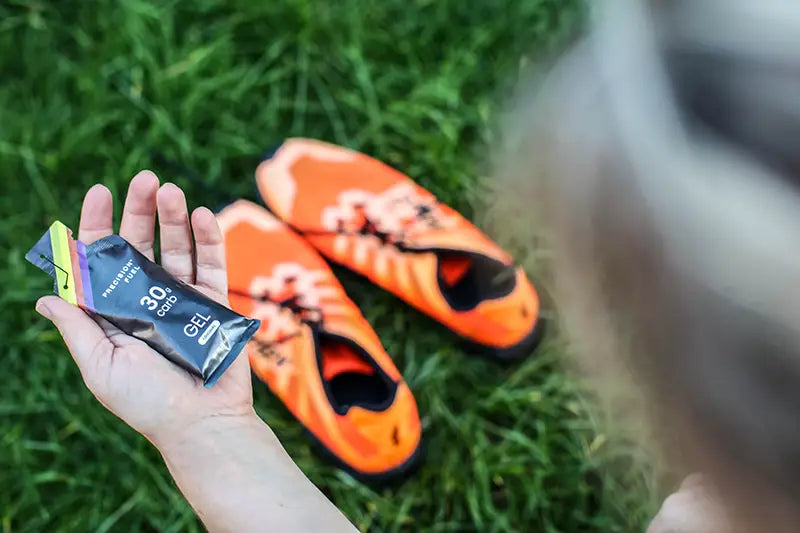
PF30 gel in front of running shoes.

Connect hydration to the whole plan

Use Fuel Finder once you know what the bottle needs to do

Fuel Finder can turn the session and your preferences into a product starting point. Then bring that plan back to the real day: your sweat evidence, sodium context, bottle concentration, refill access, overdrinking boundary and backup.

  1. Describe the real day Enter the event, likely duration and conditions rather than choosing a drink first.
  2. Keep fluid and fuel visible Check whether carbohydrate is arriving in the bottle and count it in the wider plan.
  3. Return to the rehearsal Use current labels, actual bottle volumes and a tested access plan before race day.

Choose the drink after the job

Put the right electrolyte in the bottle

Compare RSG's selected electrolyte products, then use the work above to decide what belongs in your bottle. Check each product page for current prices, choices and availability.

Electrolytes

Compare current electrolyte labels against your bottle volume and the job you have already defined.

Compare electrolytes

Common questions

Endurance hydration questions

General information for healthy adults. Individual medical conditions, pregnancy, medication and a history of fluid-balance problems require qualified personal advice.

How much should I drink per hour during endurance exercise?

There is no safe universal litres-per-hour answer. Estimate your sweat losses in relevant sessions, account for duration, conditions, access and gut comfort, then test a range. The aim is usually to limit a meaningful deficit without attempting full replacement or gaining body mass during exercise.

Do I need electrolytes for a one-hour session?

Often not for a cool, ordinary one-hour session when you begin normally hydrated and eat a normal diet. Sodium becomes more relevant as duration, heat and sweat losses rise, or across repeated days. Choose it for a defined replacement job rather than because every workout produced sweat.

Can I drink too much even if the bottle contains electrolytes?

Yes. Sodium-containing sports drinks do not prevent exercise-associated hyponatraemia if fluid intake exceeds losses. Do not force fluid, do not aim to finish heavier than you started and seek urgent medical help for severe headache, vomiting, confusion, seizure or loss of consciousness during or after prolonged exercise.

How do I calculate sweat rate at home?

Measure body mass before and promptly after a representative session using the same scale and minimal dry clothing. Add measured fluid intake, subtract urine and divide by session time in hours. Treat one kilogram of mass change as roughly one litre for this field estimate. Repeat in different relevant conditions and use the result as a planning range, not an instruction to replace everything.

Should fluid and carbohydrate go in the same bottle?

They can when the planned fluid and carbohydrate amounts move together and the concentration has been tested. In heat or variable conditions, separating some fuel from fluid can make it easier to drink more or less without accidentally changing the whole carbohydrate plan. Always use the current product label and the actual bottle volume.

Sources and further reading

Check the evidence behind the framework

RSG has translated these position statements, consensus papers, reviews and public-health guidance into a practical endurance decision system. The worked figures are examples, not individual prescriptions, and current organiser rules and product labels remain authoritative for the event and bottle in front of you.

  1. Fluid replacement for the physically active National Athletic Trainers’ Association, 2017

    Position statement on individual fluid plans, assessment, hypohydration, hyperhydration and recovery.

  2. IOC consensus for sport events in the heat British Journal of Sports Medicine, 2023

    Heat preparation, drinking access, hydration, sodium, cooling and organiser responsibilities.

  3. Exercise-associated hyponatraemia consensus British Journal of Sports Medicine, 2015

    Prevention of dangerous overdrinking and the role and limits of thirst and sodium drinks.

  4. Sweat-rate and sweat-sodium measurement methods Sports Medicine, 2017

    Field methodology, corrections and large within-person and between-person variability.

  5. Group A sports foods and supplements Australian Institute of Sport, 2024

    Sports drinks and electrolyte products placed within specific evidence-based sport situations.

  6. Hydrating effects of sports drinks and water Sports Medicine, 2022

    Systematic meta-analysis of hypotonic, isotonic and hypertonic drinks during continuous exercise.

  7. Oral rehydration beverages after exercise Journal of Athletic Training, 2024

    Systematic review of carbohydrate-electrolyte solutions for exercise-associated dehydration.

  8. Nutrition for Athletics consensus statement World Athletics, 2019

    Individualised sport-nutrition planning across training, competition, performance and health.

  9. Heat exhaustion and heatstroke NHS, 2026

    Current UK symptoms, immediate actions and urgent-help boundaries for heat illness.