Time
Count the whole day
A steady walk can still be long enough to need regular food. Include breaks, route finding and the delays that rarely appear in the optimistic version of the plan.


Hiking and outdoor fuel
A long walk doesn’t need race pace to turn food and drink into a real planning job. Hills, pack weight, weather and the distance to the next shop or safe water source all change what belongs in your bag.

The short answer
Plan around expected hours, not walking speed alone. Let familiar food do most of the work, use compact sports nutrition when space, weight or access creates a clear need, and keep the emergency reserve separate from your first snack.
Ready-made fuel packs
Compare ready-made 4- and 6-hour starting points by brand, then add familiar food and water to suit your route, conditions and access.
Loading available fuel packs…
Plan the whole day
Time
A steady walk can still be long enough to need regular food. Include breaks, route finding and the delays that rarely appear in the optimistic version of the plan.
Pack
Start with food you know you’ll eat. Add bars, chews, gels or drink powder when they save useful space and weight without making the whole bag taste the same.
Elevation
Steep ground can raise energy use and make eating harder. Use gentler sections and planned stops to keep food and drink from slipping too far behind.
Weather and water
Warm conditions
Heat and heavy sweating can increase fluid and sodium losses. More sodium isn’t automatically better, so test the drink mix and concentration before relying on it far from home.
Cold conditions
Some bars turn hard, and bottles can freeze or leak. Carry food you can open with cold hands and keep the next important items inside an accessible layer.
Water
Don’t assume every marked water source is safe or flowing. Follow local guidance and carry suitable treatment when the route requires it.
Packing system
Accessible
Put the next snack, drink or gel where you can reach it without unpacking half the bag on an exposed path.
Main supply
Mix normal food with portable sports products so sweetness, texture and appetite don’t all depend on one bar or drink.
Emergency
Keep a separate, energy-dense item for delays, navigation problems or a return that takes much longer than expected.
Compare the options
| Day | Likely demand | Food approach | Fluid approach | Reserve |
|---|---|---|---|---|
| Local half day | Steady hours with services nearby | Familiar snack and lunch | Water; electrolytes if hot or very sweaty | One compact spare |
| Long mountain day | Elevation, weather and limited access | Varied food plus compact fuel | Known refill plan and tested bottle mix | Separate delay reserve |
| Long-distance walk | Repeated days and shop gaps | Resupply plan with easy-to-eat options | Capacity matched to the longest dry section | One day-specific reserve |
| Fast outdoor effort | Higher intensity with less time to stop | Compact fuel within reach | Soft flask or bottles within reach | One simple backup |
On a phone, swipe the table sideways to compare every column.
Shop portable fuel
Compare gels, chews, drink mixes and bars for the route you’re planning. Current prices and availability come from the live product range.
Compact carbohydrate when carrying space is tight or chewing feels less appealing.
Put fluid and carbohydrate together, or keep them separate when the weather and route may change.
Useful on steady ground when chewing is comfortable and a more food-like texture sounds good.
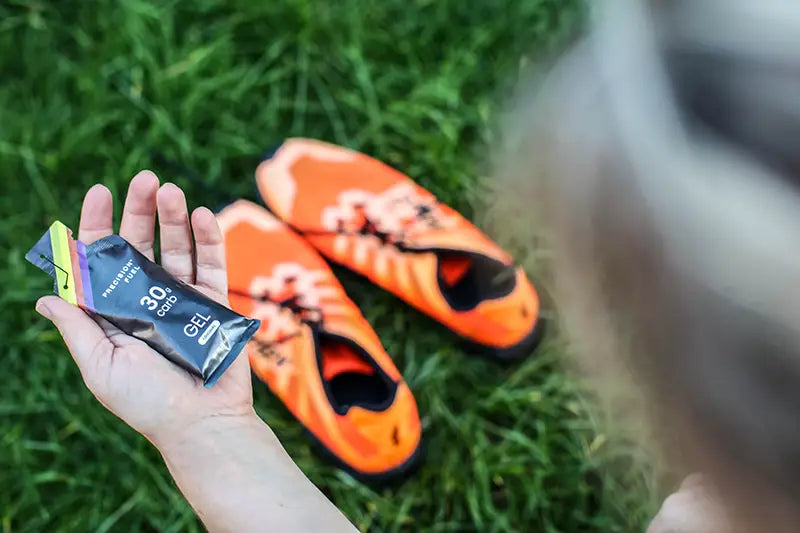
Turn guidance into a practical plan
Add the activity, duration, conditions, experience and products you prefer. Fuel Finder will turn them into a practical starting plan for you to test before the bigger day.
General endurance fuelling guidance, not medical advice. Test products and quantities in training before race day.
Common questions
General guidance for healthy adults. Your health, experience and route still matter.
Not necessarily. Familiar food can do most of the work. Sports products become useful when portability, pack weight, limited access or a faster pace gives them a clear job.
There’s no universal amount. Use the route’s remoteness, weather, group needs, daylight and realistic delay scenarios to decide, then follow local mountain-safety guidance.
No. They’re more relevant on long, hot or very sweaty days. Water and normal food may be enough for a shorter, cooler outing.
Sources and further reading
We’ve used research and recognised sports guidance to shape the practical advice above. Open the sources when you want the detail behind a recommendation.
Consensus guidance on matching carbohydrate, fluid and recovery nutrition to exercise demands.
Current consensus on heat, hydration, individual sweat losses and sodium.
Explains why products should have a clear job and be trialled before competition.


