Breakfast
Eat the breakfast you already know
Choose familiar carbohydrate-containing food and leave enough time to feel comfortable. Race morning isn’t the moment for a high-fibre meal or a novelty experiment.


Triathlon fuel and hydration
You can’t do much about fuel in the swim. The bike is where the routine earns its keep, before the run asks more of your stomach. Breakfast, bottles, transitions and pace all need to work as one plan.

The short answer
Eat a familiar pre-race breakfast, use the bike for your most regular intake, and reach the run with fuel and fluid already on board. Heat, bottle storage, transitions and the event rules decide what the neat plan looks like in real life.
Ready-made fuel packs
Choose the 2-, 4- or 6-hour starting point closest to your expected total time. Each pack includes fuel for the event and one rehearsal.
Loading available fuel packs…
Before the start
Breakfast
Choose familiar carbohydrate-containing food and leave enough time to feel comfortable. Race morning isn’t the moment for a high-fibre meal or a novelty experiment.
Hydration
Start normally hydrated. Forcing excessive fluid just before the swim won’t repair poor preparation and may leave you uncomfortable.
Transition
Know what’s on the bike, what’s waiting for the run and what the event will provide. Tired hands and a busy transition are easier when the choices are obvious.
The bike
Storage
Check what your bottles and mounts can safely carry, how you’ll replace them and which gels, chews or bars you can open while riding.
Timing
Leaving most of your intake to the end of the bike can overload the stomach just before running. A steady routine is usually easier to keep using.
Heat
Hot conditions may change fluid needs more than fuel needs. Keep drink concentration clear and adjust only within the range you’ve already tested.
The run
Tolerance
Impact and accumulated effort can reduce tolerance. Use smaller amounts of familiar fuel and follow the aid-station plan you practiced in training.
Pacing
An aggressive start can make later intake harder. Begin at the pace your complete race plan can support, even when fresh legs suggest otherwise.
Contingency
Use the event support, but keep a spare gel, chew or other tested option for a missed bottle or a planned product that suddenly feels unappealing.
Rules and rehearsal
Special needs
Long-course events may allow special-needs bags, but their placement, access and permitted contents vary. Use the organiser’s current instructions, not last year’s assumptions.
Brick sessions
Relevant bike-to-run sessions let you test bottle concentration, the final bike intake and the first fuel you’ll use on the run.
Distance
Sprint, Olympic, middle and long-distance races create very different total times and logistics. Start with your expected duration, not a plan borrowed from another event.
Compare the options
| Distance | Main fuelling focus | Bike role | Run challenge | Plan emphasis |
|---|---|---|---|---|
| Sprint | A familiar start and simplicity | Short main intake window | High intensity | Avoid unnecessary complexity |
| Olympic | Breakfast plus bike routine | Regular fluid and carbohydrate as needed | Intensity and heat | Practice transitions |
| Middle distance | Sustained plan across hours | Primary fuelling opportunity | Start fuelled without overloading | Storage and concentration |
| Long distance | Full-day logistics and contingency | Large share of total intake | Accumulated fatigue and tolerance | Rehearse the whole plan |
On a phone, swipe the table sideways to compare every column.
Shop by fuel type
Compare gels, chews, drink mixes and bars for the job they need to do. Current prices and availability come from the live product range.
Compact carbohydrate when carrying space is tight or chewing feels less appealing.
Put fluid and carbohydrate together, or keep them separate when that makes the plan easier to adjust.
Useful earlier in a long, steadier race while chewing still feels comfortable.
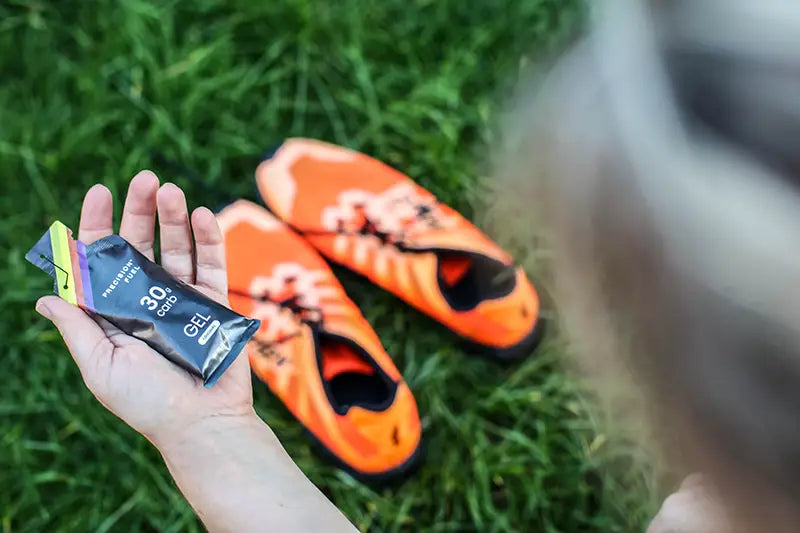
Turn guidance into a practical plan
Add the activity, duration, conditions, experience and products you prefer. Fuel Finder will turn them into a practical starting plan for you to test in training.
General endurance fuelling guidance, not medical advice. Test products and quantities in training before race day.
Common questions
General guidance for healthy adults. Your experience, health and event still matter.
It usually gives you the longest stable window, the most storage and less impact than running. That makes a regular eating and drinking routine more practical.
Usually not in a practical or safe way. Build the pre-race plan around that gap, then follow the event rules.
Only when the event allows it and the bag genuinely improves your plan. Check the current rules, and don’t leave the only copy of something essential in one place.
Sources and further reading
We’ve used research and recognised sports guidance to shape the practical advice above. Open the sources when you want the detail behind a recommendation.
Consensus guidance on matching carbohydrate, fluid and recovery nutrition to exercise demands.
Current consensus on heat, hydration, individual sweat losses and sodium.
Systematic review showing possible benefits, alongside uncertainty, from repeated race feeding practice.


