Running fuel and hydration

Going long? Fuel the work ahead

A gentle half hour and a hilly two-hour run ask very different things of you. Start with time and effort, then account for heat, impact and what you can actually carry. Practice the plan in training so race day isn’t the first proper test.

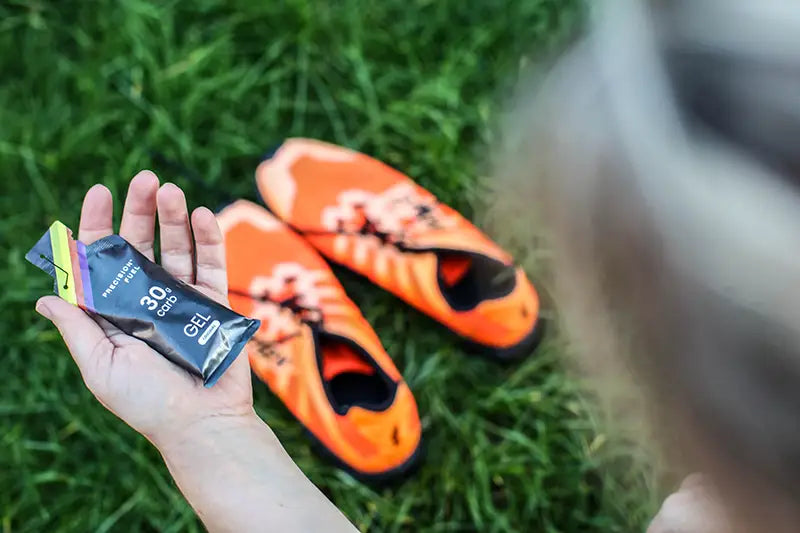
Energy gel held beside running shoes before a training run

The short answer

Most runs don’t need a complicated plan

A short, easy run, under an hour or so, is typically fine without fuel, but maybe with some water. Fuel becomes more useful when the run is longer, harder, hillier or close to another demanding session. Think about the duration, effort level and what your stomach can handle.

Ready-made fuel packs

Fuel packs for your run

Compare 2 and 4 hour bundles by brand. Each pack includes fuel for the main effort and one rehearsal.

Explore all Fuel Packs

Loading available fuel packs…

Planning your fuelling for the long run

Effort and limited storage narrow your choices

On a bike, you can coast downhill and drinl. You have bottle holders and maybe jersey pockets. Running brings impact and often less storage, so a gel, chew or drink mix can be easier to use than solid food as the pace rises.

Effort

Don’t let pace tell the whole story

Hills and technical ground can slow you down while the effort climbs. Use breathing, how hard the run feels and expected time on feet alongside pace and distance. Walking up longer hills becomes a chance to get fuel in.

Carrying

Put the next thing within reach

A gel won’t help much at the bottom of a tightly packed vest. Decide where your bottle, gels, chews or soft food will sit before you set off. Reducing descion making when your fatigued later makes great sense.

Tolerance

Practice the plan while you run

Rehearse race-day food and drink at a similar effort and in similar conditions. If nausea, bloating or repeated urgency turns up, change one thing at a time rather than forcing the plan. The more confident you are with your fuelling, the more likely you'll be able to get over that finish line.

Before, during and after

Before, during and after a long run - are worth thinking about

Before

Start comfortably fed and hydrated

Ok, a basic point. Eat familiar food and leave enough time to feel settled. The meal before a key run is not the place for a heroic portion or a new recipe. Typically 1 to 2 hours pre-run is good.

During

Keep the plan as simple as the run allows

An easy run may need water only. As duration, intensity or heat rises, carbohydrate, fluid and sodium may matter more. Adjust for the session and pay attention to where you can refill.

After

Let the next session set the recovery job

Drink, return to normal meals and include carbohydrate and protein when the run was long, hard or followed soon by another demanding session.

Browse recovery nutrition

Common mistakes

You've heard it before - listen to your body

Too aggressive

More fuel isn’t automatically better

Repeated nausea, sloshing, bloating or struggling to keep eating are good reasons to review timing, drink strength, fuel type, fluid and total intake.

Too weak

Don’t wait for the late collapse

Hitting 'The Wall' is real and it's well known that it's not fun. Fading power, a sudden drop in effort or concentration and then you realise just how hungry you are. When this happens it may mean you started fuelling too late or didn’t take enough over the course.

Heat

Separate fuel and hydration when it helps

Hot weather can push fluid needs up without changing carbohydrate needs at the same rate. Keeping water, electrolytes and fuel separate can make the plan easier to adjust.

Compare electrolyte options

Compare the options

Different sessions call for different fuelling

SessionMain demandUseful formatsWatch forNext step
Easy runComfort and everyday hydrationWater if wantedAdding products without a reasonBuild around your typical diet
Long runSteady carbohydrate and accessible fluidDrink mix, gels, chews, softer barsStarting fuelling too latePractice event timing and using the same fuel
High-intensity sessionFuel around quality workFamiliar pre-run food; compact fuel if neededHeavy food close to hard runningProtect session quality when the going gets tough
Race or hilly eventDuration, intensity, terrain and heatYour tested mix of portable fuel typesCarrying too much when you can use aid stations for supportTry our Fuel Finder for help with event fuelling

On a phone, swipe the table sideways to compare every column.

Shop running fuel

Our best options for fuelling your runs

Compare curated gels, chews, drink mixes and bars.

Gels and chews

Compact carbohydrate when chewing or carrying space is limited.

Compare gels and chews

Drink mixes and electrolytes

Combine fluid with carbohydrate, or keep hydration separate when you need more control.

Compare drink mixes

Bars and solid fuel

Useful on longer, steadier runs when chewing still feels comfortable.

Browse energy bars
PF30 gel in front of running shoes.

Not sure what to carry?

Let Fuel Finder build a useful starting point

Add the run, duration, conditions, experience and preferences. Fuel Finder will suggest a practical product plan for you to test and adjust in training.

  1. Tell us about the run Duration, effort, terrain and temperature shape what is practical.
  2. Choose what suits you Pick the fuel types, caffeine preference and event support you expect to use.
  3. Take it into training Use relevant runs to adjust quantities, timing, flavour and carrying.

Common questions

Running fuel questions

General guidance for healthy adults. Your health, experience and event still matter.

Do I need fuel on every run?

No. Normal meals and water when you want it will usually cover a short, easy run. Fuel becomes more useful as the run gets longer or harder, or when demanding sessions sit close together.

Why can running upset my stomach?

Impact, intensity, heat, drink strength and individual sensitivity can all play a part. Change one thing at a time and use training to find what settles.

Should I plan by miles or time?

Start with time and effort. The same distance can take very different amounts of work once hills, trails, weather and pace enter the picture.

Sources and further reading

Where the guidance comes from

We’ve used research and recognised sports guidance to shape the practical advice above. Open the sources when you want the detail behind a recommendation.

  1. Nutrition and Athletic Performance Academy of Nutrition and Dietetics, Dietitians of Canada and ACSM, 2016

    Consensus guidance on matching carbohydrate, fluid and recovery nutrition to exercise demands.

  2. Gut training and feeding challenge in endurance exercise Sports Medicine, 2023

    Systematic review showing possible benefits, alongside uncertainty, from repeated race feeding practice.

  3. IOC consensus statement on sport events in the heat British Journal of Sports Medicine, 2023

    Current consensus on heat, hydration, individual sweat losses and sodium.