Lift
Build lasting strength and muscle using progressive resistance work that has a clear place in the week.


Hybrid Athlete
Here we explore what makes a great hybrid athlete and how to fuel both sides of your training. We look at practical nutrition and recovery for athletes who train across strength, running and conditioning.
You do not have to choose
Hybrid training is not about being elite at everything at once. It is about building a useful blend of qualities around the life and goals you actually have.
Build lasting strength and muscle using progressive resistance work that has a clear place in the week.
Develop your aerobic base, improve your running economy and build the confidence to keep moving for longer.
Conditioning comes from consistency. That means you don’t want to turn every day into a test. Practice repeated efforts, carries and mixed-speed work, but remember to pace your efforts.
Recovery is where the gains happen. Use sleep, food, fluids and gentler sessions to make your next hard session productive.
Support your goals
Faster runs or lasting strength when the going gets tough? Choose your outcome first. We provide useful options to help you work towards your goals.
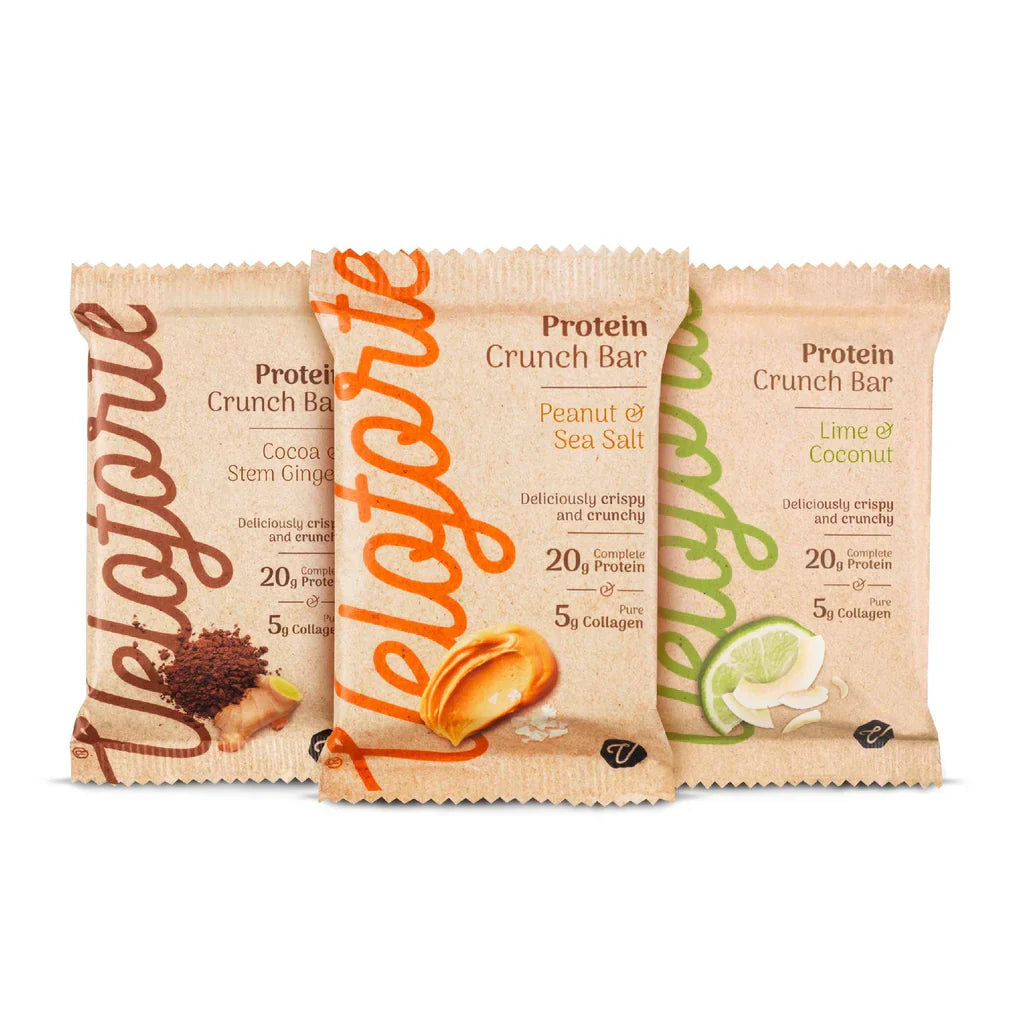
Building muscle isn’t rocket science. Your training load and solid food choices make the foundation, then use protein products to help keep you on track when convenience matters.
Explore protein bars: Build muscle
Support heavier lifting with consistent, good-quality meals and recovery choices that fit your lifestyle.
Explore recovery: Get stronger
Make sure you’re properly fuelled for your runs. Use carbohydrate when duration or intensity demands it, and practice your fuelling in training before the event.
Explore endurance fuel: Fuel the run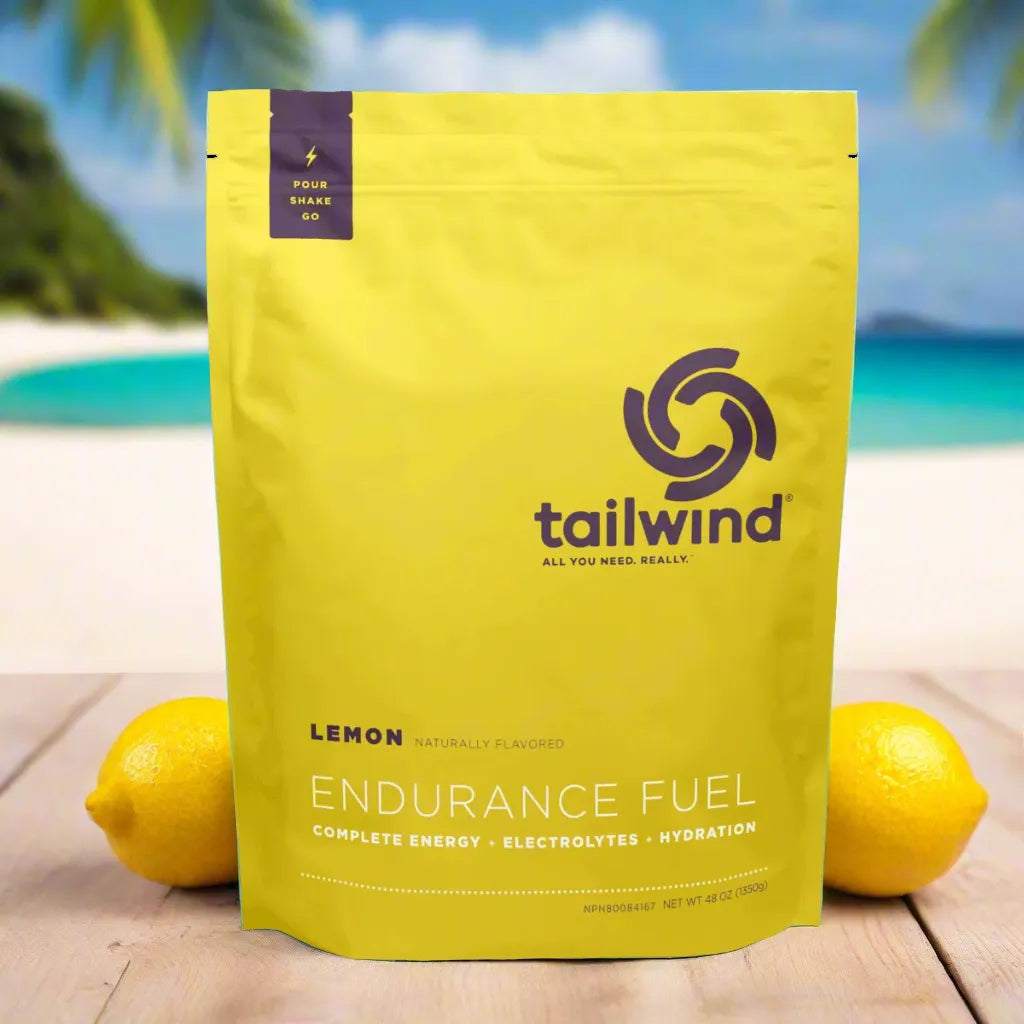
Indoor training can be hot work, and sweat losses can affect performance. Match fluid and electrolyte intake to the session, the environment and how much you sweat.
Explore hydration drinks: Hydrate & perform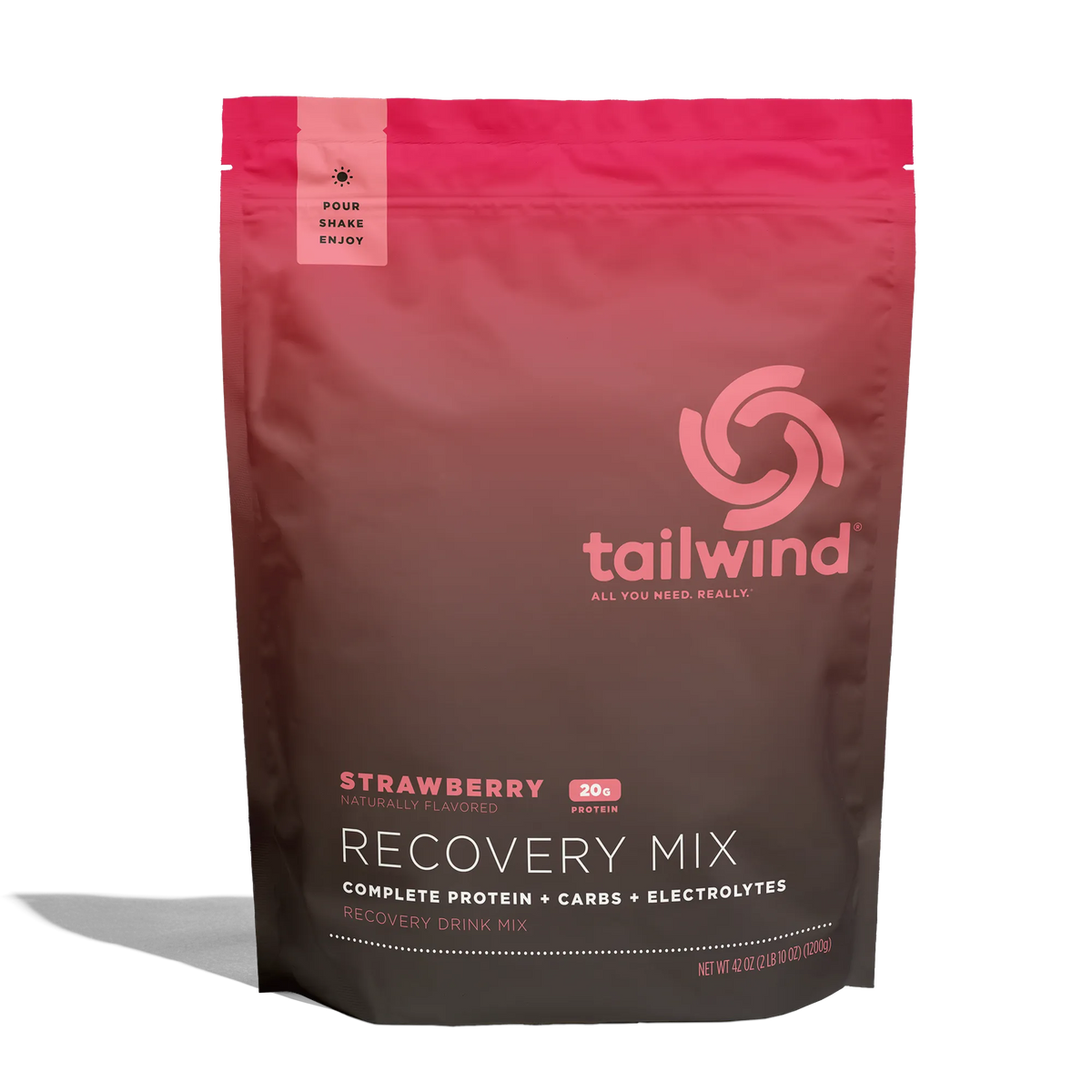
Recovery matters as much as training. You want to be well rested and recovered for your next session. Use sleep, hydration and good nutrition—including enough protein—to help get you there.
Shop recovery: Recover well
Start with a reliable bottle that won’t let you down.
Explore bottles: A bottle you’ll use
Hybrid training, clearly explained
Hybrid training combines resistance work with running or other aerobic conditioning. It suits people who want broad, all-round fitness, enjoy both gym and running scenes, or are preparing for hybrid fitness events such as HYROX or CrossFit.
Developing strength and fitness together has its challenges. Manage volume, timing and recovery, so your hard sessions aren’t competing for the same tired legs.
The four part system
Four parts that make a whole. None needs to become more complicated than the training demands.
Give strength, running and conditioning a specific purpose. More work is not automatically better work.
Use balanced meals as the base. Add convenient carbohydrate or protein when the session and schedule justify it.
Explore endurance fuel: FuelStart sessions normally hydrated, then adapt fluid and electrolytes for heat, sweat and duration. Remember training indoors can be hot.
Build a hybrid hydration plan: HydrateRefuel, eat enough protein across the day and protect sleep so the next session has something to build on.
Browse recovery: RecoverSelected for hybrid weeks
Sports nutrition can bring convenience when it matters most.
Practical nutrition guide
Start with a balanced, varied diet. Use sports nutrition when timing, appetite, portability or the demands of training create a need for it.
We all know protein helps repair and build muscle. The useful bit is getting enough across the day, rather than worrying about a perfect post-workout window.
Useful when: getting enough good-quality protein is difficult, time is tight or appetite is low.
Build a hybrid protein plan: ProteinCarbohydrate helps support higher intensity work and replenishes fuel used in training. The harder, longer or closer together the sessions, the more deliberate this may need to be.
Useful when: a run or conditioning session is long, hard, race specific or followed quickly by another session.
Explore endurance fuel: CarbohydrateFluid needs change with body size, sweat rate, heat, clothing and session length. Electrolytes can be useful when sweat losses are meaningful, but more is not always better.
Useful when: the room is hot, the session is long, you sweat heavily or turnaround time is short.
Explore hydration and electrolytes: Hydration & electrolytesCreatine monohydrate has evidence for repeated high-intensity work and strength training. It is optional and does not replace a balanced diet or a sensible training plan.
Useful when: you understand why you are taking it and have checked suitability and product quality.
Browse practical guidance: CreatineGeneral information for healthy adults, not medical advice. Individual needs vary. If you have a medical condition, are pregnant, take medication or compete under anti-doping rules, seek appropriately qualified advice before using supplements.
An illustrative week
A hybrid week doesn’t need every discipline every day. Give demanding strength, running and conditioning sessions enough space for your body to adapt. That is what makes hard sessions useful.
Lower-body sessions work some of your biggest muscles and can take plenty out of your fuel stores. Fuel well before and after them to perform, recover and adapt.
Comfortable pace; normal meals and fluid are usually enough.
Keep enough energy in the day for a quality workout. Add a protein bar or shake when you need an easy way to top up your protein.
Arrive fuelled; use carbohydrate if duration or timing warrants it. Pay attention to your intensity and sweat levels.
Eat well, stay hydrated and protect your sleep. Active recovery might include stretching, yoga or walking.
Saturday is the dress rehearsal. Practice the food and fluid routine you plan to use on event day, so there are fewer surprises when it matters.
Keep the effort conversational and enjoy moving with others.
Example only, not a universal prescription. Your week should reflect training age, goals, available time, injury history and recovery. A qualified coach can help with individual programming.
Select Your Path
Start with where you are, then build towards the athlete you want to become. The right balance depends on your background and priority. These routes are useful starting points, so you can build your plan around real life.

Gym culture meets run culture
Running with other people and sharing the gym floor can make a mixed week easier to sustain. Friends can hold you to account, and also committing to sessions with people or clubs can motivate you to get out the door, get training and hit your goals.

When the run becomes an endurance job
A gym session or easy short run rarely needs a fuel plan. For longer runs, demanding events and race-specific practice, our Fuel Finder helps connect duration, carbohydrate and hydration to useful products.
The Fuel Finder provides general endurance fuelling guidance. Test products and quantities in training before race day.
Learn before choosing
RSG has created a series of guides for the questions that affect a hybrid training week.
Bring fresh running, compromised running, better pacing and a gradual increase in load into one useful plan.
RecoveryRecovery is where you make the gains from all your hard work.
HydrationThink about heat, sweat, duration and what you have already tested. It is easy to underestimate how much those conditions change what you’ll need.
Training around real lifeWe’ve done the groundwork to point you in the right direction. Explore practical guides on performance, resilience, recovery and sleep.
Hybrid training questions
General guidance for healthy adults. Your training history, goals and health still matter.
Yes. Many people improve both with a well-planned week. If you are highly trained or pushing a specific maximal strength goal, separating demanding running and lifting sessions can help protect your session quality.
No single post-training window decides your progress. Total daily protein and regular protein-rich meals matter more. A convenient protein product can help when you need to raise your daily intake or finding a good protein source while out and about is difficult.
Carbohydrates become more useful as sessions become longer, harder or closer together. An easy short run and a long hybrid session ask different things of the body; the longer or harder it gets, the more useful a deliberate fuelling plan becomes.
Creatine monohydrate has evidence for strength and repeated high-intensity exercise, but like any supplement, it is optional. Check suitability and product quality.
Usually not. They are more relevant when sessions are longer, hot or sweaty. Drinking too little or too much can be unhelpful, so use thirst, conditions and your own experience as part of the plan.
There is no universal number. Training age, weekly volume, sleep, work stress and soreness all matter. Rest can mean a complete day off or low-stress movement that leaves you fresher, not more fatigued.
Use it when running or mixed conditioning becomes long or demanding enough that carbohydrate, hydration, sodium, caffeine and carrying products need a deliberate plan. It can help you compare options for heavier workloads.
Ready when you are
Start with your goal, choose products with a clear job, and bring in the Fuel Finder when the endurance side becomes more demanding.


